Copper Scrap
Copper is one of the most valuable and widely recycled non-ferrous metals. Known for its excellent electrical conductivity, corrosion resistance, and antimicrobial properties, copper scrap commands premium prices and is essential to modern infrastructure, electronics, and renewable energy systems.
Our Copper Scrap Collection
Browse the types of copper scrap we purchase
.jpeg&w=3840&q=75)
.jpeg&w=3840&q=75)
.jpeg&w=3840&q=75)
.jpeg&w=3840&q=75)
.jpeg&w=3840&q=75)
.jpeg&w=3840&q=75)
.jpeg&w=3840&q=75)
.jpeg&w=3840&q=75)
.jpeg&w=3840&q=75)
.jpeg&w=3840&q=75)
.jpeg&w=3840&q=75)
.jpeg&w=3840&q=75)
History & Background
Copper was one of the first metals used by humans, with evidence of copper smelting dating back to 5000 BC in the Middle East. The Egyptians used copper pipes for plumbing over 4,000 years ago — and remarkably, copper recycling is almost as old as its use. Ancient Romans routinely melted down copper coins and artifacts for reuse. The modern copper recycling industry took shape during the Industrial Revolution when the demand for electrical wiring and telegraph cables created massive appetite for the metal. Today, approximately 80% of all copper ever mined is still in use — a testament to its infinite recyclability. Recycled copper accounts for about 35% of global copper consumption, and recycling uses 85% less energy than mining and refining virgin copper ore. In the scrap trade, copper is classified by specific names — Candy (bright, clean copper wire), Birch (clean copper pipe and tubing), Armature (copper from electric motor windings), and Clove (mixed or contaminated copper).
Types of Copper Scrap
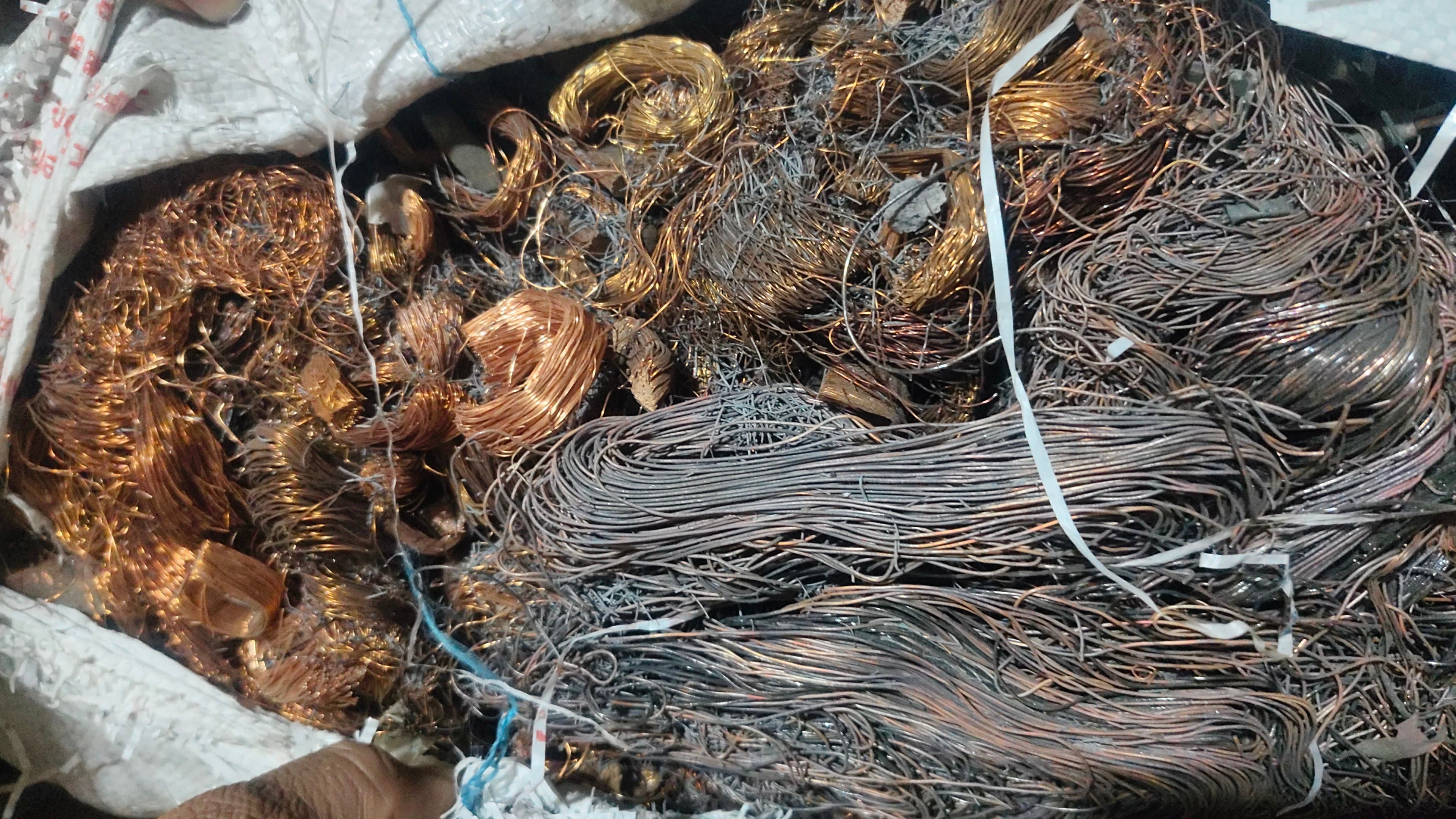
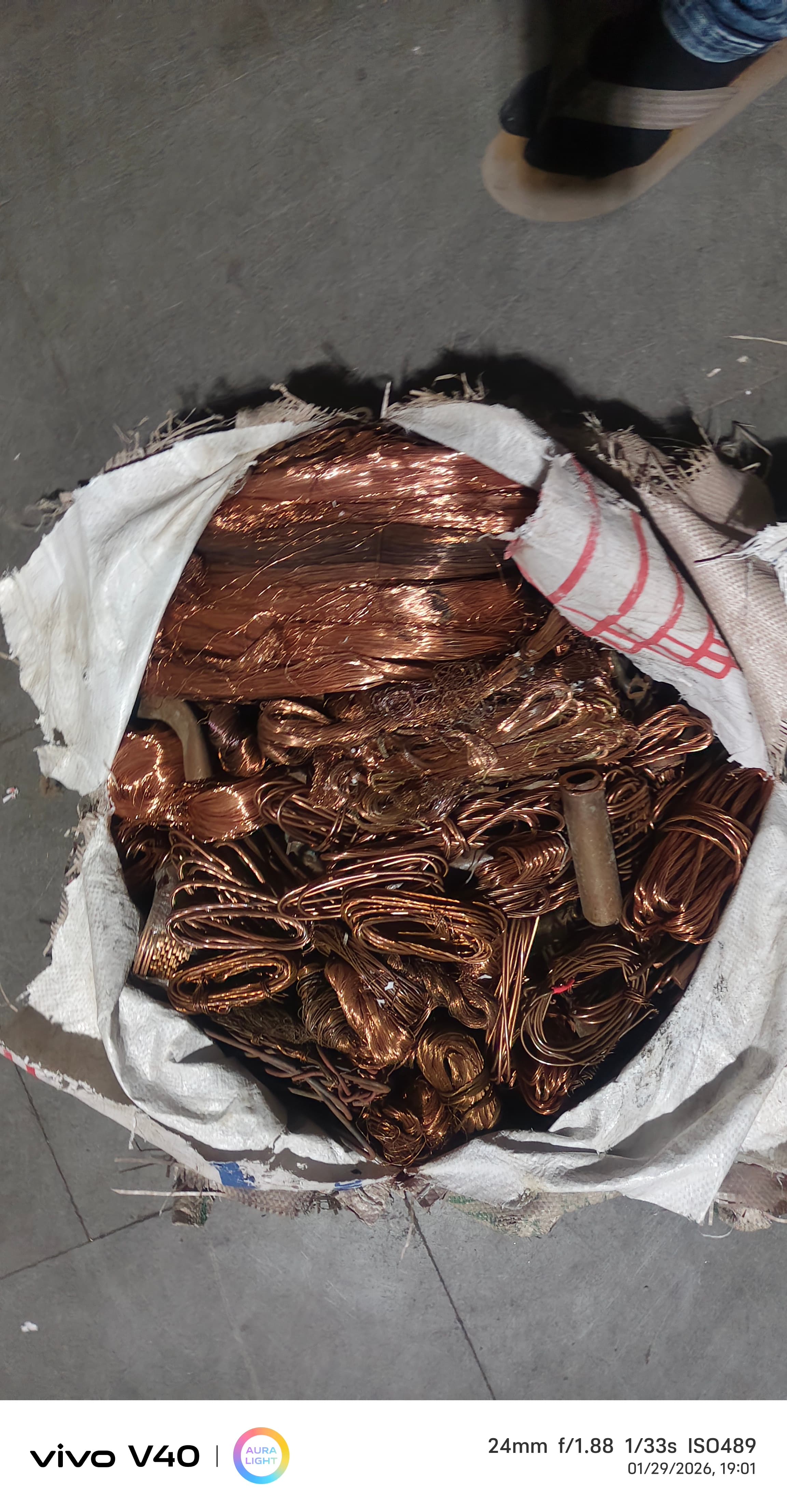
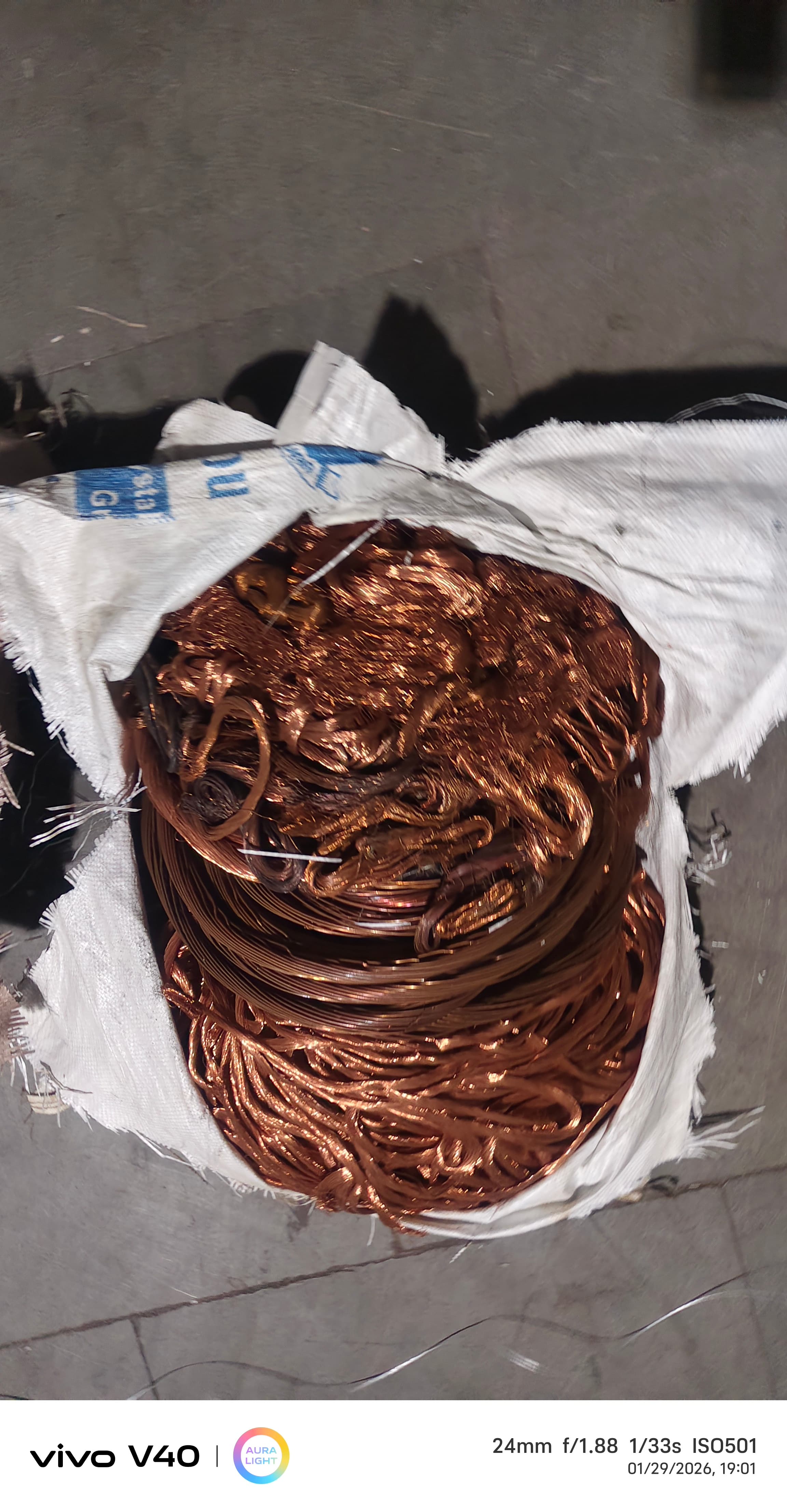
Candy (Bare Bright / #1 Copper)
The highest grade — clean, uncoated, unalloyed copper wire (14 gauge or thicker) with bright finish. Commands the best prices, typically 95-98% of LME copper price. No solder, paint, or corrosion.
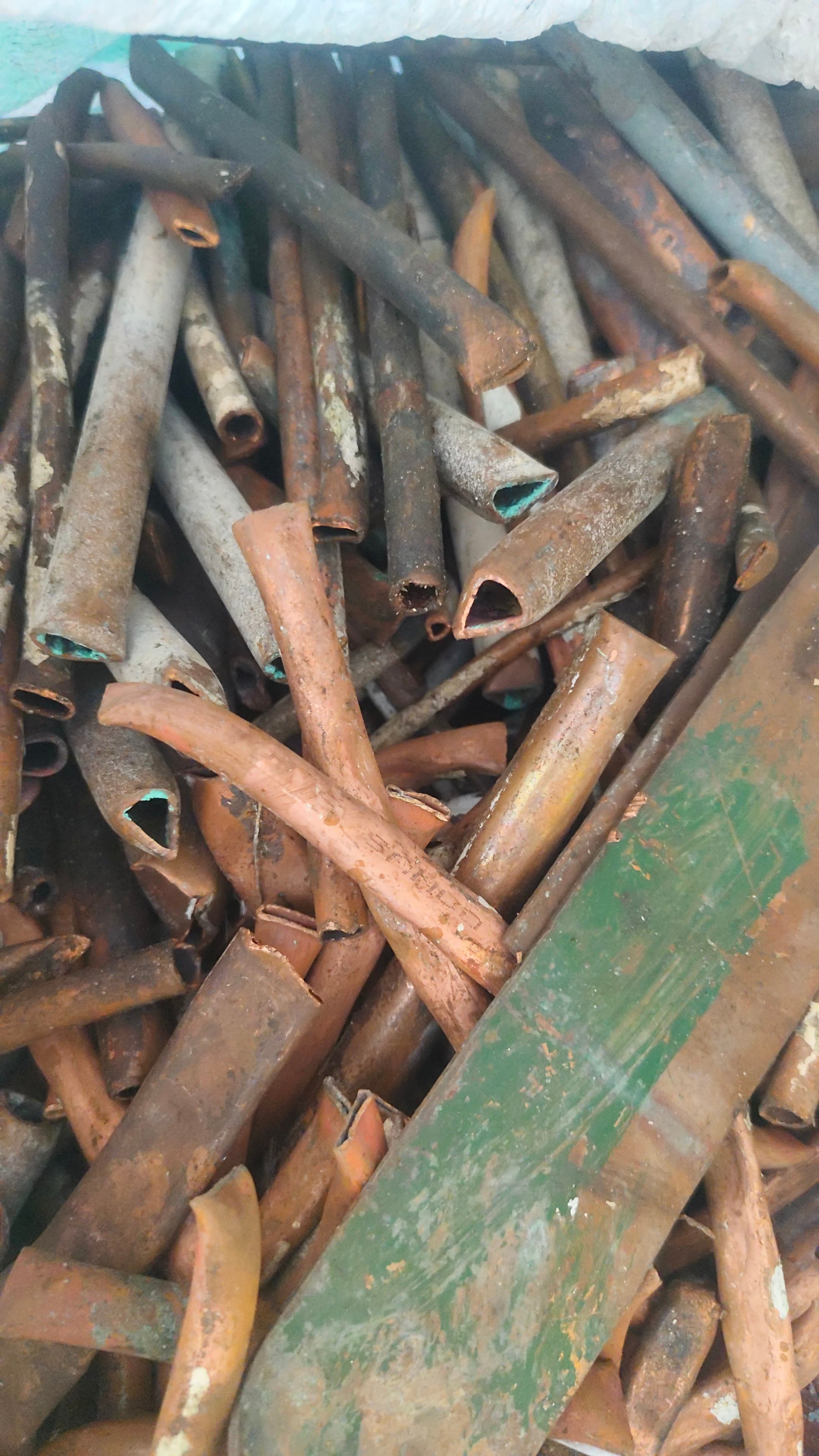
Birch (#1 Copper Pipe & Tube)
Clean copper pipe, tubing, and bus bar. Free of solder, paint, and fittings. Must be clean and bright. Second highest grade after Candy.
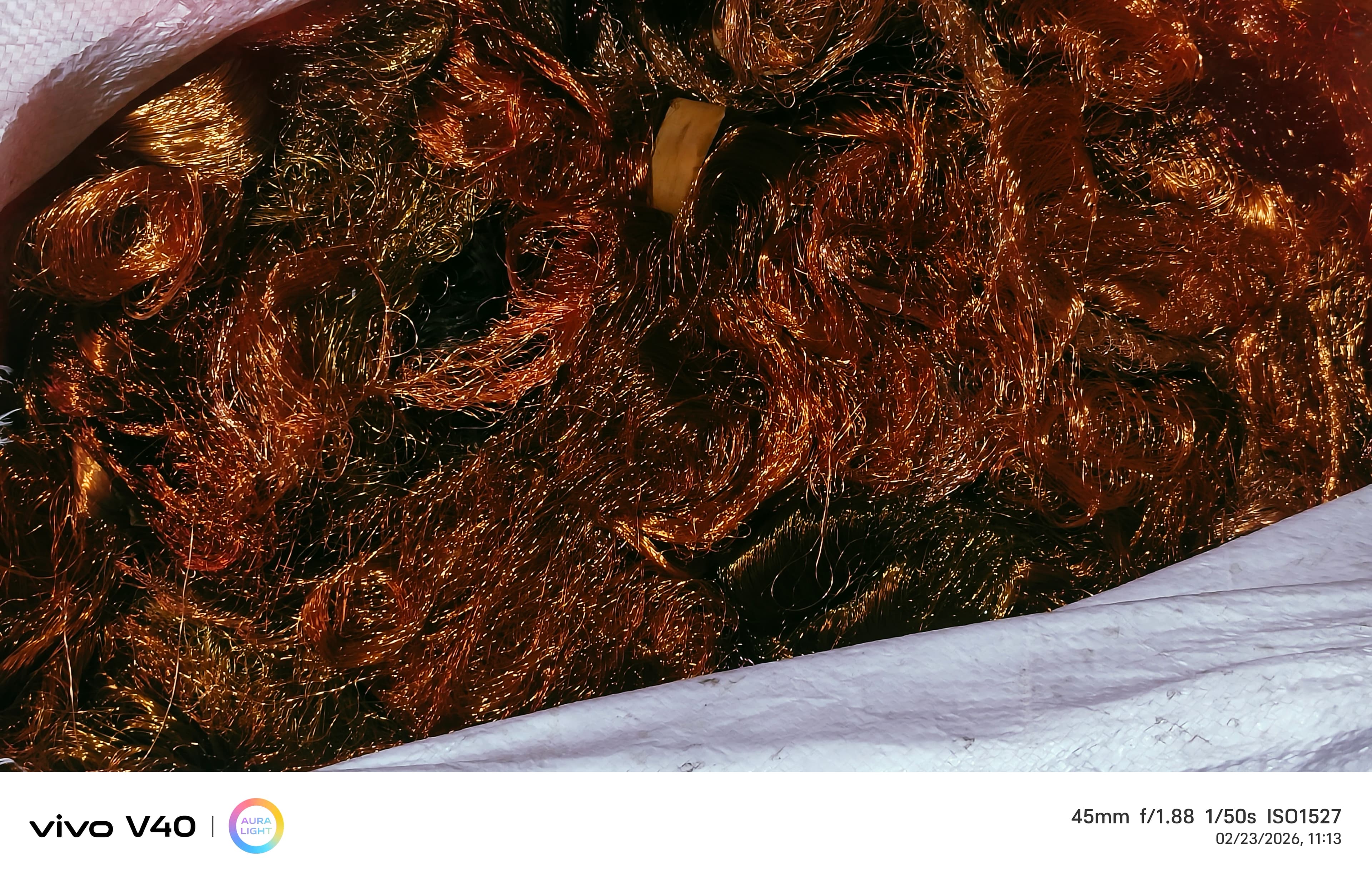
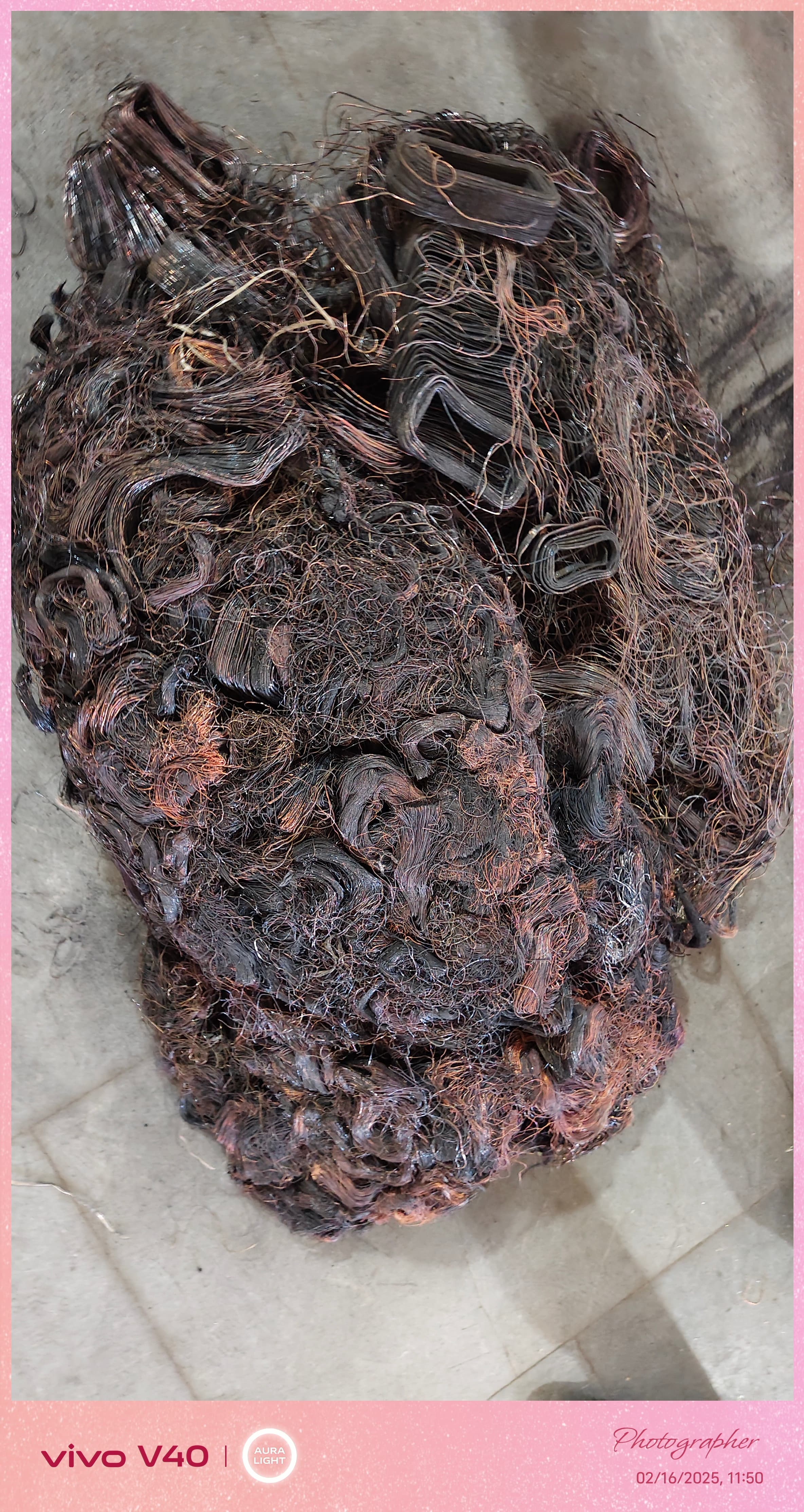
Armature (Motor Copper)
Copper windings from electric motors, generators, and transformers. Contains lacquer/enamel insulation that reduces value slightly. A major source from industrial and automotive recycling.
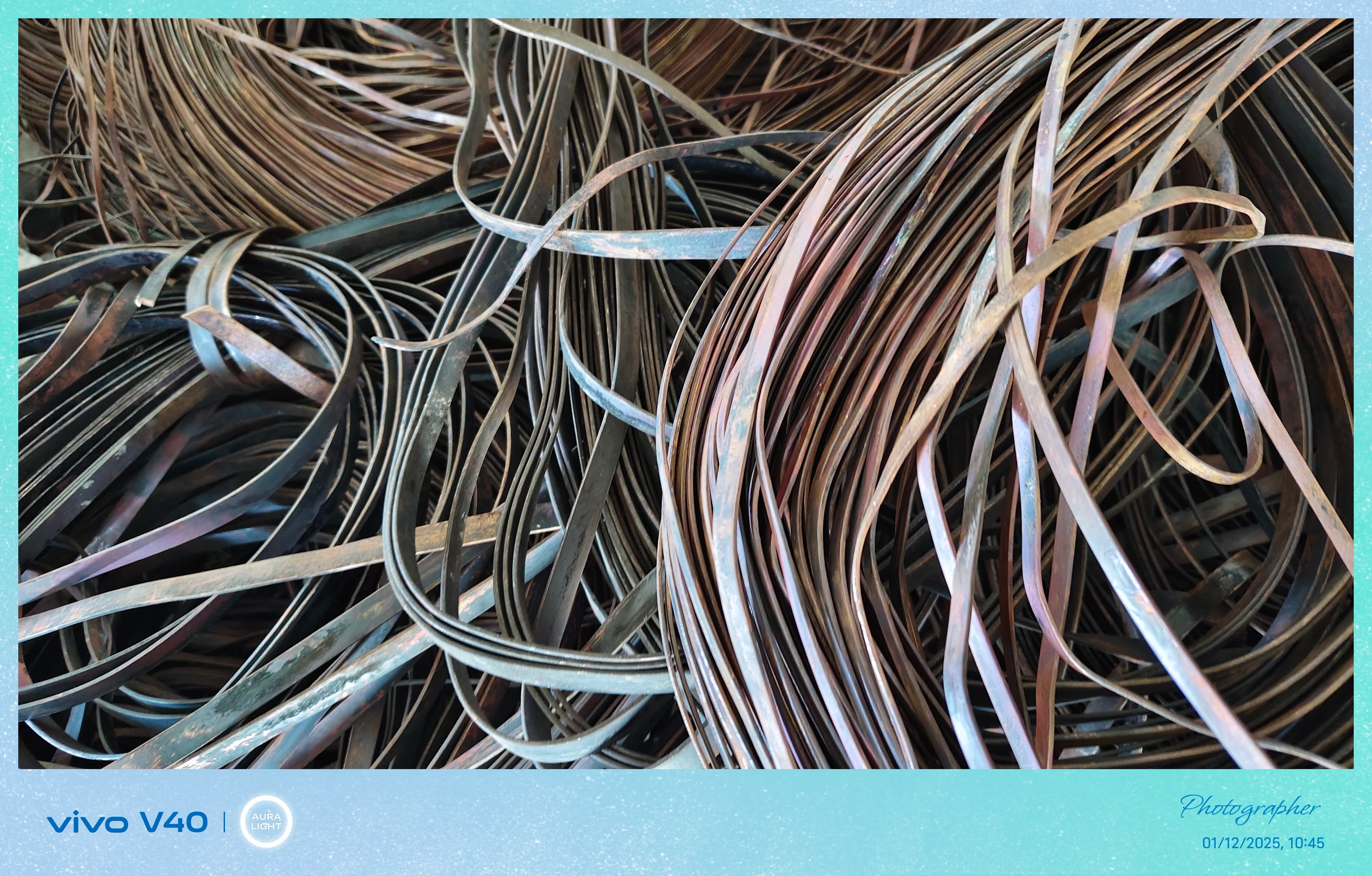
Transformer Strips
Flat copper strips from power and distribution transformers. Usually clean and high-purity but may have paper or varnish insulation. Valued for consistent quality.
Clove (Mixed / #2 Copper)
Copper with solder, paint, moderate corrosion, or mixed with small amounts of other metals. Includes copper fittings, painted copper, and lightly contaminated pieces.
Global Copper Market
Global copper production reached 22 million metric tons in 2023, with recycled copper contributing approximately 8 million tons. The copper scrap market is valued at over $60 billion annually, driven by electrification, renewable energy, and EV manufacturing. The green energy transition is expected to increase copper demand by 50% by 2035.
Top Producing Countries
World's largest copper producer at 5.3 million tons/year (24% of global supply), home to the massive Escondida and Chuquicamata mines.
Second largest producer at 2.5 million tons/year, with rapidly expanding operations in the Katanga copper belt.
Third largest at 2.2 million tons/year, with major mines like Cerro Verde and Antamina.
Largest consumer and largest recycler of copper, processing over 3 million tons of copper scrap annually.
Copper in India
India is a significant copper consumer but has limited domestic mining. The country relies heavily on imports of both refined copper and copper scrap, making the domestic recycling industry critically important.
Key Highlights
- India consumes approximately 1.2 million tons of copper annually, growing at 7-8% per year
- Domestic copper mining produces only about 40,000 tons/year (Hindustan Copper Limited)
- India imports over 400,000 tons of copper scrap annually, making it one of the world's largest scrap importers
- The renewable energy push (500 GW target by 2030) will require an estimated 2 million additional tons of copper
- Electric vehicle adoption is expected to increase copper demand by 30-40% by 2030
- Major copper recycling hubs exist in Jamnagar, Moradabad, and Mumbai
Recycling Process
How copper scrap are recycled and processed
Collection and sorting by grade (Candy, Birch, Armature, Transformer Strips, Clove)
Stripping insulation from wire using mechanical strippers or granulators
Cleaning and removal of solder, paint, and other contaminants
Melting in anode furnaces at 1,085°C
Fire refining and electrolytic refining to achieve 99.99% purity
Casting into cathodes, rods, or wire bar for manufacturing
Why Sell Your Copper Scrap to Vitrag Impex?
Ready to Sell Your Copper Scrap?
Contact us today for the best market prices. Free pickup, instant payment, and transparent dealings guaranteed.