Brass Scrap
Brass is a copper-zinc alloy that has been prized for thousands of years for its durability, corrosion resistance, and golden appearance. In the scrap metal market, brass commands premium prices due to its high copper content and the energy savings achieved through recycling. India is one of the world's largest brass manufacturing and recycling hubs.
Our Brass Scrap Collection
Browse the types of brass scrap we purchase
.jpeg&w=3840&q=75)
.jpeg&w=3840&q=75)
.jpeg&w=3840&q=75)
.jpeg&w=3840&q=75)
.jpeg&w=3840&q=75)
.jpeg&w=3840&q=75)
.jpeg&w=3840&q=75)
.jpeg&w=3840&q=75)
History & Background
Brass — an alloy of copper and zinc — became prominent during the Roman Empire, used extensively for coins, decorative items, and plumbing. The alloy's popularity grew through the Middle Ages, with brass becoming essential for scientific instruments, clocks, and navigational equipment. In India, brass has deep cultural significance — Moradabad in Uttar Pradesh has been known as 'Peetal Nagri' (Brass City) for over 400 years, while Jamnagar in Gujarat has been a major brass parts manufacturing hub since the early 20th century. The modern brass recycling industry processes millions of tons annually, with recycled brass accounting for approximately 40-50% of global production. The recycling process uses 90% less energy than producing brass from virgin copper and zinc ores. In the scrap trade, brass is classified by form — Label/Sheets (flat brass sheet), Pallu (brass turnings and borings), Pales (mixed brass pieces), and Hair Wire (thin brass wire).
Types of Brass Scrap
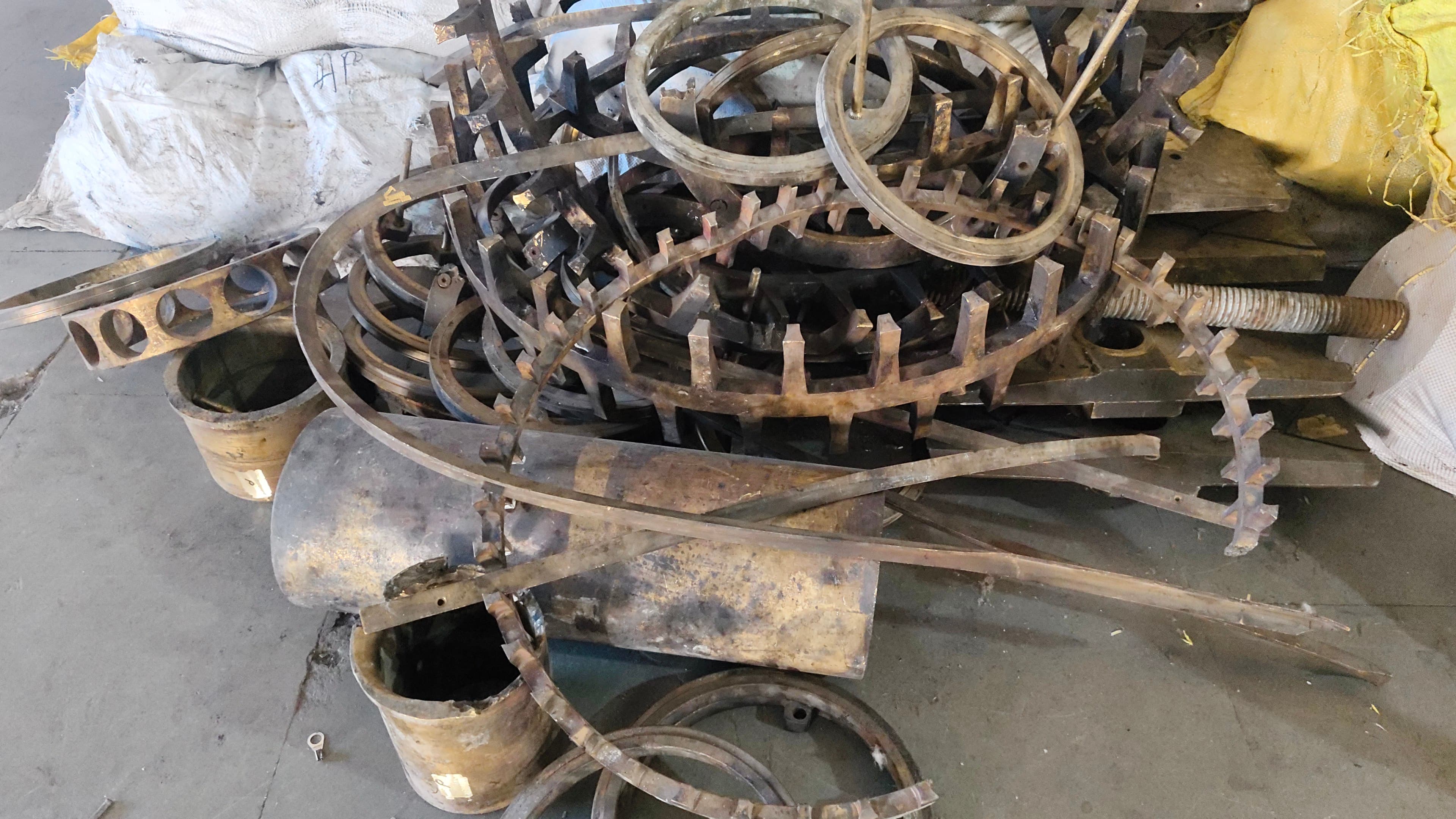
Label / Sheets
Clean brass sheet, strip, and plate scrap. The highest grade of brass scrap — free of solder, paint, and other contaminants. Used in electrical connectors, nameplates, and decorative items. Commands premium prices.
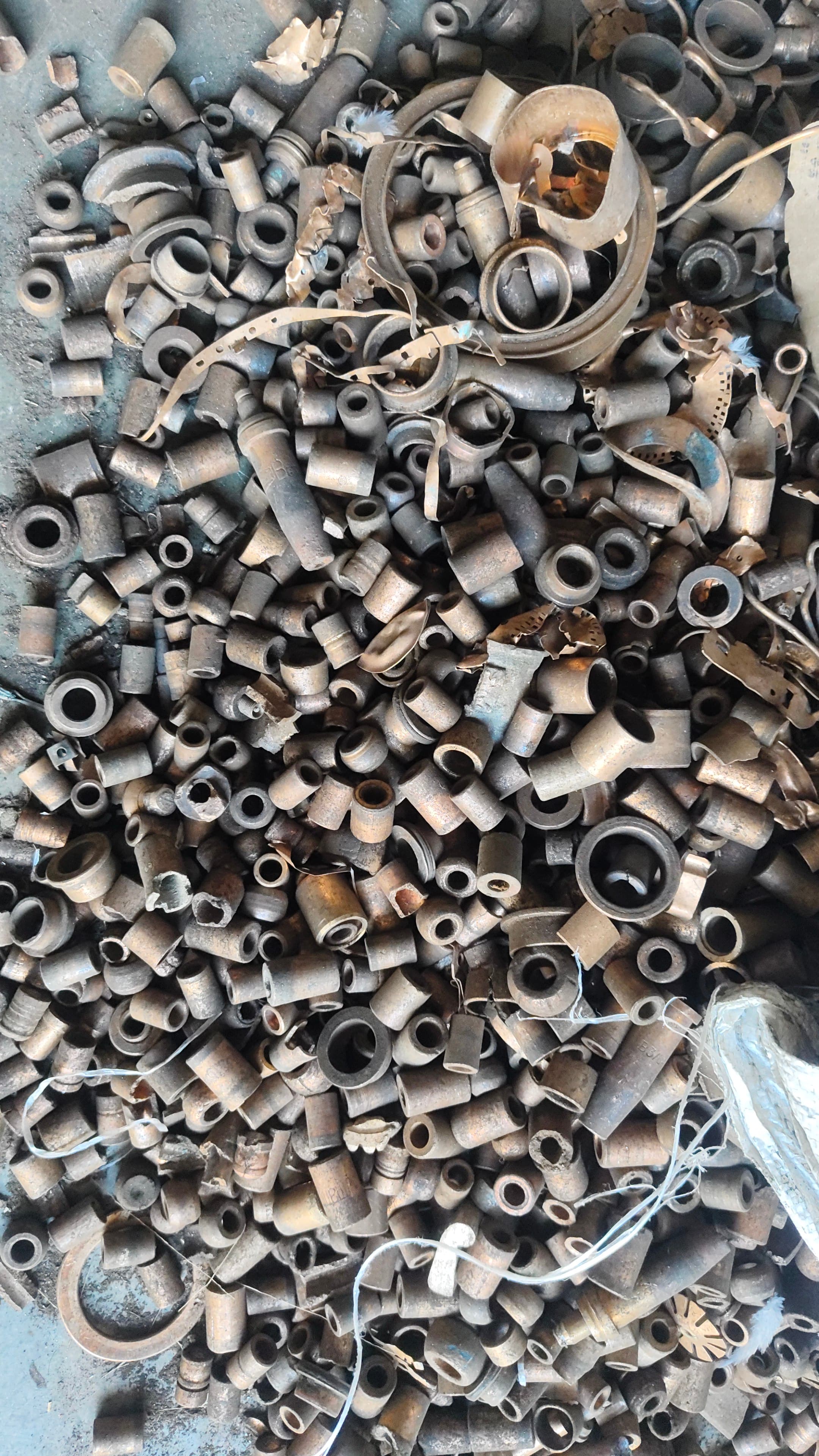
Pallu (Turnings & Borings)
Brass machining waste — shavings, chips, and turnings from CNC operations and lathe work. Common from hardware and fitting manufacturers in Jamnagar. May contain cutting oil that needs removal.
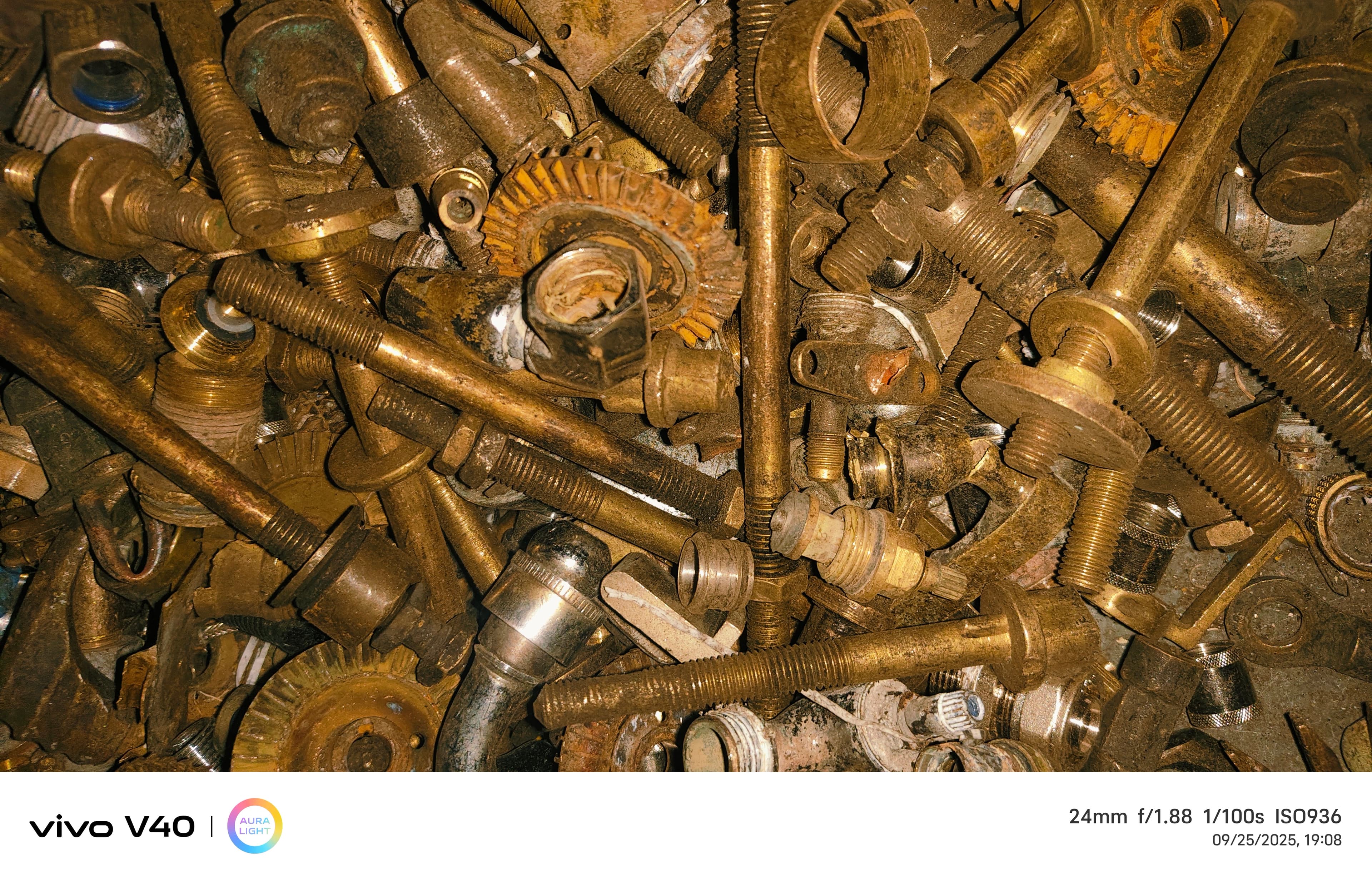
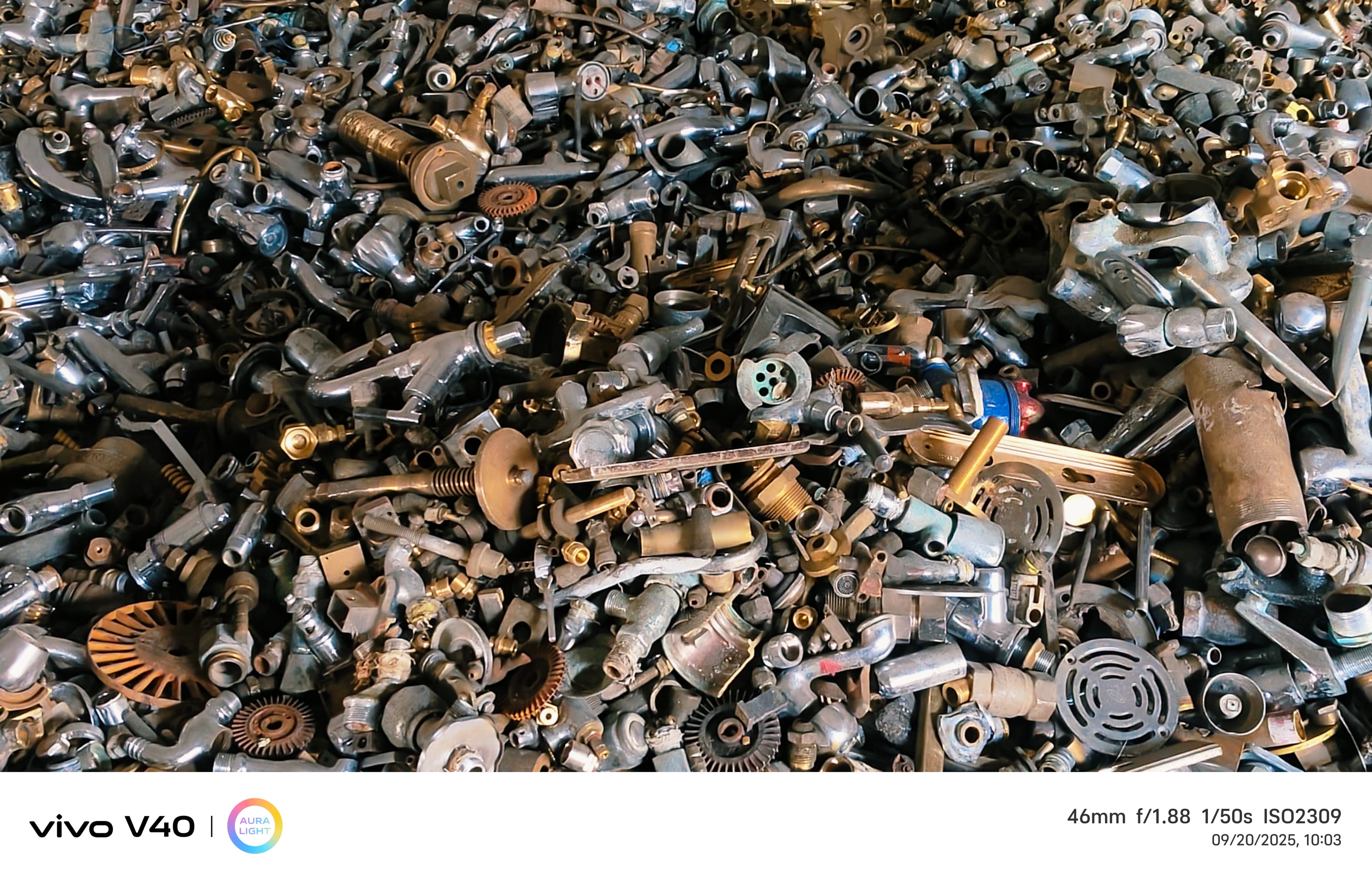
Pales (Mixed Brass)
Mixed brass pieces including old fittings, valves, locks, hinges, and hardware. May contain some solder or other attachments. The most common form of brass scrap from demolition and plumbing work.
Hair Wire
Thin brass wire scrap from pin, staple, and fastener manufacturing. Also includes brass mesh and screen wire. Lightweight but valuable in bulk quantities.
Global Brass Market
The global brass market is valued at approximately $80 billion, with recycled brass accounting for 40-50% of production. Demand is driven by construction, plumbing, electrical, automotive, and defense industries. The shift toward lead-free brass alloys for plumbing is reshaping the market.
Top Producing Countries
Largest producer and consumer of brass products, with major manufacturing hubs in Zhejiang and Guangdong provinces.
Europe's largest brass producer, known for high-quality precision brass components for automotive and engineering.
Major brass manufacturing hub — Jamnagar (Gujarat) for industrial fittings and Moradabad (UP) for decorative brass. Combined output exceeds 500,000 tons/year.
Known for high-purity brass production for electronics, precision instruments, and automotive components.
Brass in India
India has a deep cultural and industrial connection to brass. The country is one of the world's largest producers of brass products, with a recycling-driven industry that has existed for centuries. Jamnagar and Moradabad are the twin pillars of India's brass industry.
Key Highlights
- Jamnagar (Gujarat) has 3,000+ brass foundries and is India's largest hub for brass parts and fittings manufacturing
- Moradabad (Uttar Pradesh) is known as 'Peetal Nagri' (Brass City) — specializing in decorative and artistic brassware
- India's brass industry employs over 500,000 people directly and millions indirectly
- Approximately 70% of India's brass production uses recycled scrap as raw material
- The domestic brass scrap market is estimated at ₹15,000-20,000 crore annually
- Growing construction and plumbing sectors are driving increased demand for brass recycling
Recycling Process
How brass scrap are recycled and processed
Collection and sorting by type (Label/Sheets, Pallu, Pales, Hair Wire)
Removal of steel, plastic, rubber, and other non-brass attachments
Chemical analysis or XRF testing to determine exact alloy composition
Cleaning of turnings to remove cutting oils and coolants
Melting in crucible or reverberatory furnaces at 900-1,000°C
Alloying adjustments and casting into ingots, rods, or billets for manufacturing
Why Sell Your Brass Scrap to Vitrag Impex?
Ready to Sell Your Brass Scrap?
Contact us today for the best market prices. Free pickup, instant payment, and transparent dealings guaranteed.