Gun Metal / Honey / Red Brass / Ebony
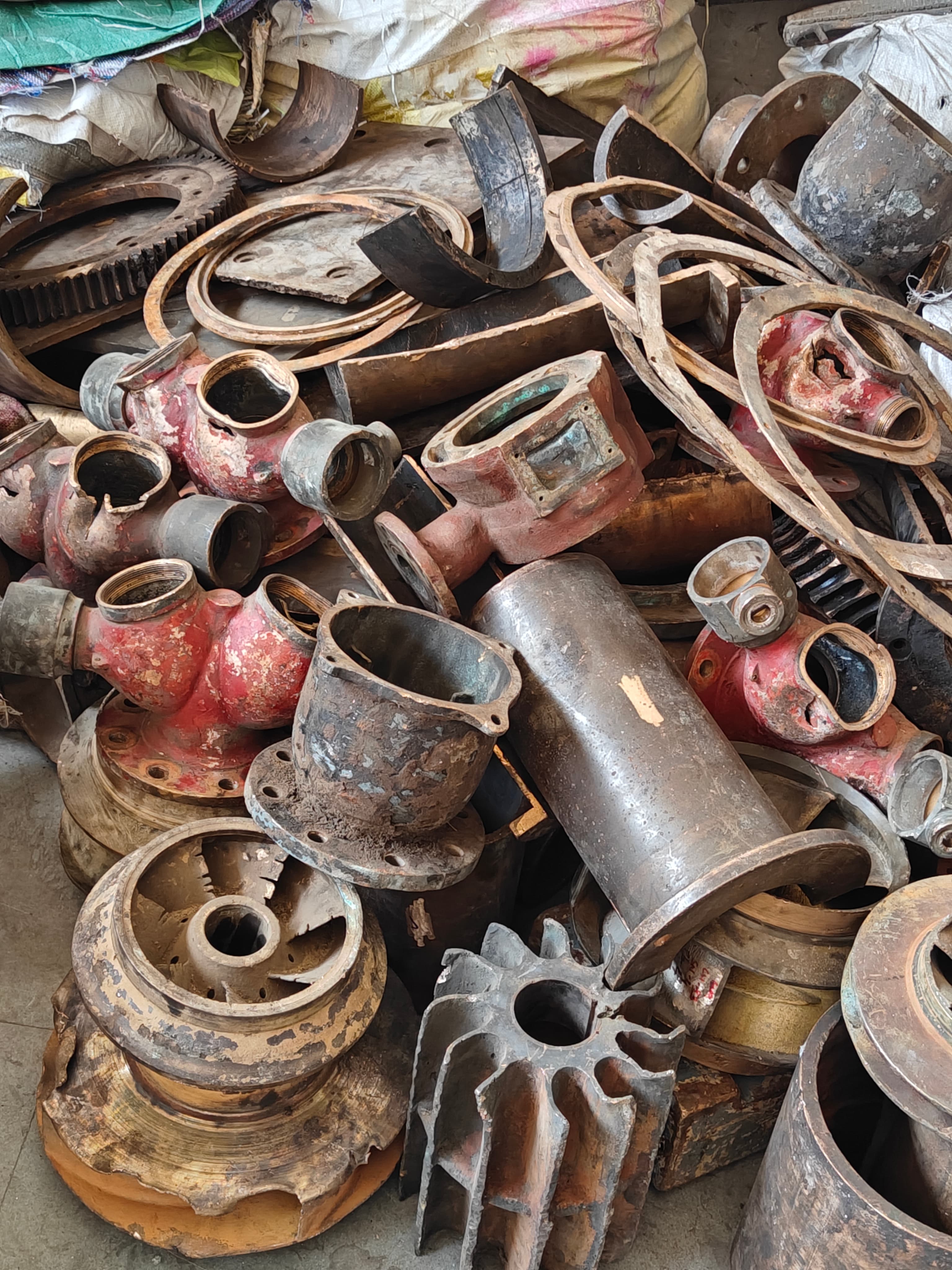
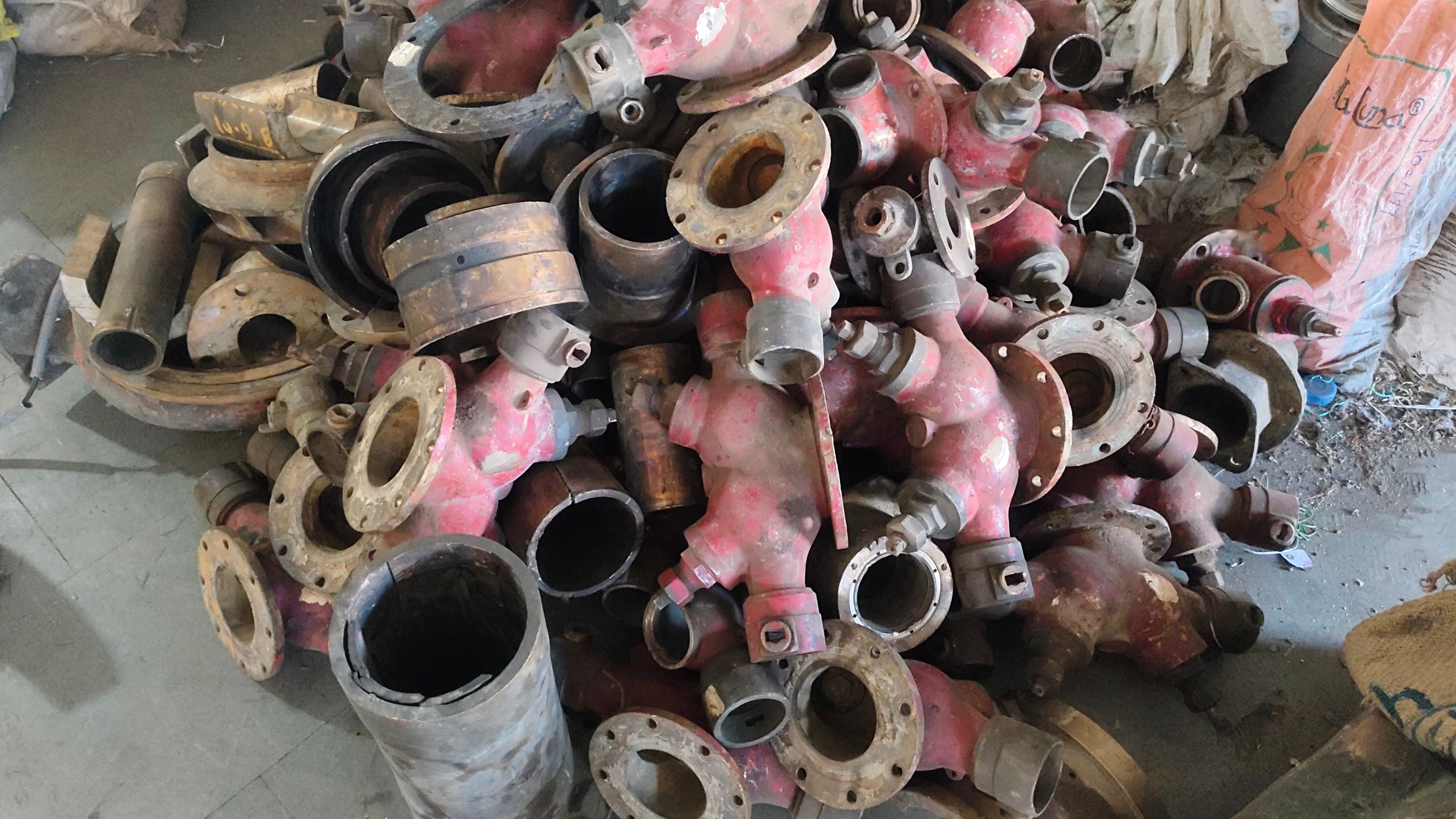
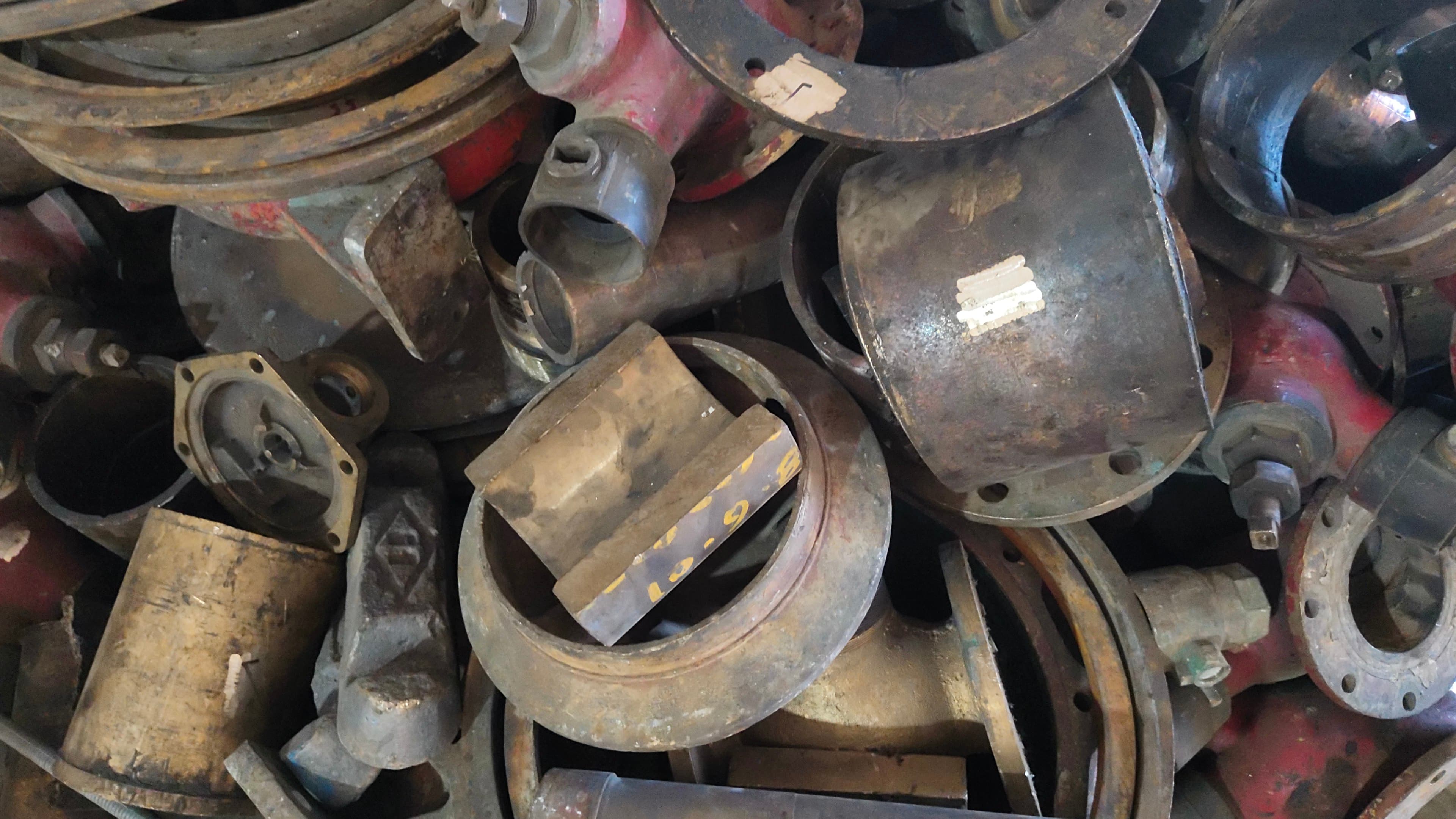
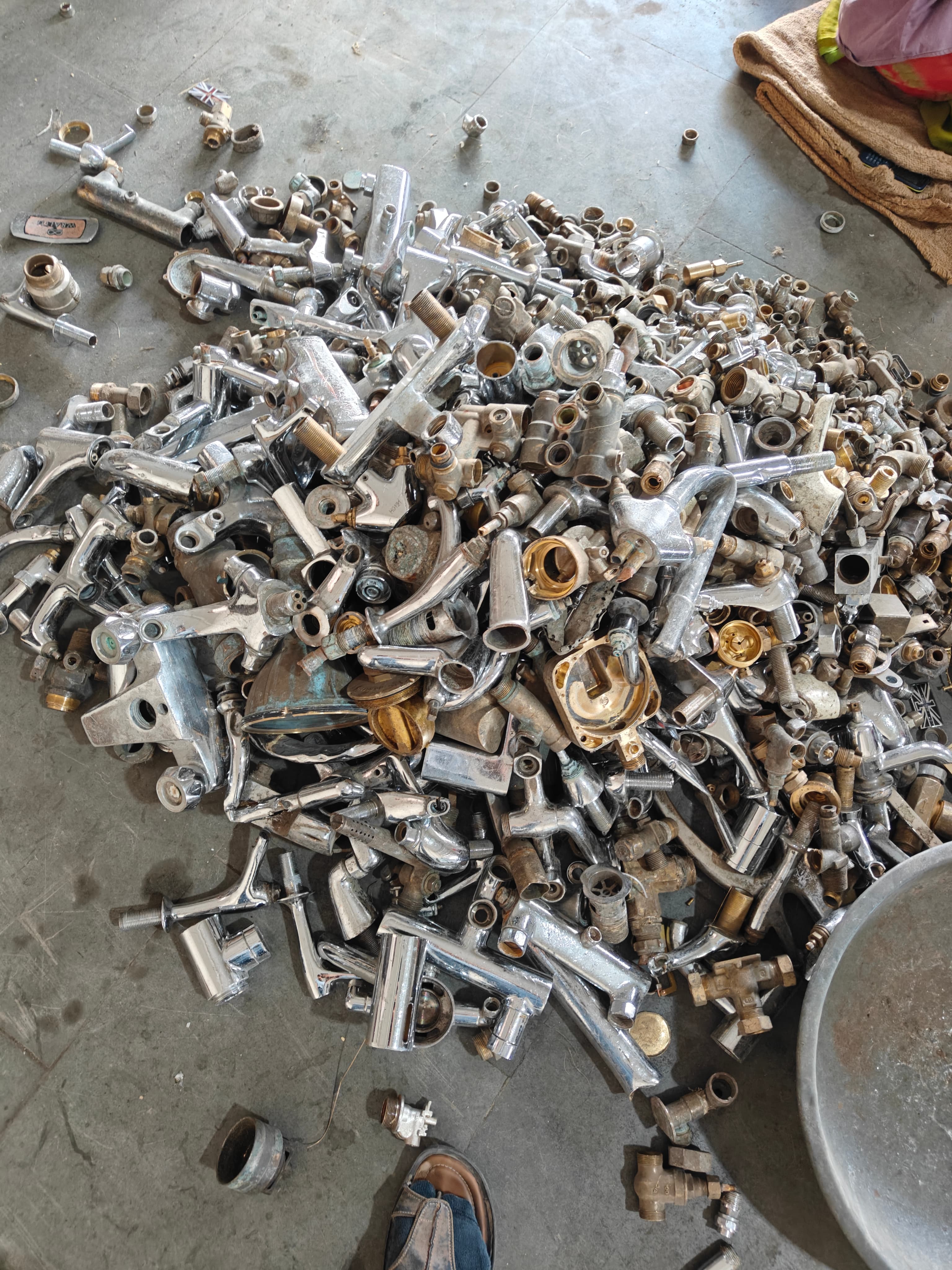
Gun metal is a versatile copper-tin-zinc alloy historically used for cannon manufacturing and now widely employed in valves, pumps, bearings, and marine fittings. Red brass, honey brass, and ebony are trade names for various high-copper brass and bronze alloys that command premium prices in the scrap market.
Our Gun Metal / Honey / Red Brass / Ebony Collection
Browse the types of gun metal / honey / red brass / ebony we purchase
.jpeg&w=3840&q=75)
History & Background
Gun metal gets its name from its original use in casting cannons and firearms during the 16th-18th centuries. The standard composition of 88% copper, 10% tin, and 2% zinc provided the ideal combination of strength, castability, and corrosion resistance needed for artillery. As cannon technology evolved to use steel, gun metal found new applications in steam-age engineering — valves, pipe fittings, and pump components for ships and factories. The British Admiralty standardized gun metal compositions in the 1800s, creating grades like Admiralty Gun Metal (88/10/2) that remain in use today. Red brass (85/5/5/5 — copper/tin/lead/zinc) emerged as a plumbing standard in the early 20th century, prized for its excellent machinability and resistance to dezincification. 'Honey' and 'Ebony' are Indian trade names for specific grades of high-copper scrap — honey referring to clean, bright gun metal pieces and ebony to darker, oxidized or contaminated pieces. The recycling of gun metal has been practiced for centuries, with Indian foundries in Moradabad and Jamnagar being among the world's largest processors.
Types of Gun Metal & Red Brass Scrap
85/5/5/5 (Red Brass / Ounce Metal)
The classic composition — 85% copper, 5% tin, 5% lead, 5% zinc. The most common gun metal grade, widely used in plumbing valves, pump bodies, and pipe fittings. Excellent machinability and corrosion resistance.
Phosphorus Bronze
Copper-tin alloy with 0.1-0.35% phosphorus addition. Used in springs, electrical connectors, bearings, and bushings. Higher tin content (typically 5-10%) makes it more valuable than standard gun metal.
Leaded Bronze
Contains 5-25% lead for superior machinability and self-lubricating properties. Used in heavy-duty bearings, bushings, and wear plates for industrial machinery.
High Tin Grade
Bronze alloys with 10-14% tin content. Used in bells, cymbals, and high-performance bearings. Commands premium scrap prices due to high tin content.
Global Gun Metal & Red Brass Market
The global market for gun metal and red brass products is estimated at $15 billion annually. These alloys are essential in plumbing, marine, industrial valve, and pump manufacturing. Recycled material accounts for approximately 50-60% of production, making scrap a critical feedstock.
Top Producing Countries
One of the world's largest processors of gun metal scrap, with major foundry clusters in Jamnagar (Gujarat) and Moradabad (UP) producing valves and fittings.
Largest consumer of red brass for plumbing and industrial valve manufacturing, importing significant quantities of scrap.
Major producer of high-precision gun metal components for industrial and marine applications.
Large market for red brass plumbing fittings with strict lead-free regulations driving demand for specific alloy grades.
Gun Metal & Red Brass in India
India has a centuries-old tradition of working with copper alloys. The country's gun metal and red brass industry is centered in Gujarat and Uttar Pradesh, where thousands of foundries process scrap into new products for domestic and export markets.
Key Highlights
- Jamnagar is India's largest hub for brass and gun metal valve manufacturing, with 3,000+ foundries
- The Indian plumbing fittings market consumes over 200,000 tons of gun metal and red brass annually
- India exports gun metal valves and fittings worth over $500 million annually to the Middle East, Africa, and Southeast Asia
- The shift to lead-free alloys (driven by export requirements) is changing scrap demand patterns
- Gun metal scrap from old water supply systems and industrial plants is a major domestic source
- Prices for clean gun metal scrap in India typically range from ₹450-550 per kg depending on grade
Recycling Process
How gun metal / honey / red brass / ebony are recycled and processed
Collection from plumbing contractors, industrial plants, and demolition sites
Sorting by visual inspection and XRF analysis to determine exact alloy composition
Separation of steel, rubber, and plastic attachments from valve bodies and fittings
Melting in crucible or induction furnaces at 950-1,050°C
Spectrometric analysis of melt to verify composition and adjust alloying elements
Casting into ingots, continuous cast rods, or direct pouring into valve/fitting molds
Why Sell Your Gun Metal / Honey / Red Brass / Ebony to Vitrag Impex?
Ready to Sell Your Gun Metal / Honey / Red Brass / Ebony?
Contact us today for the best market prices. Free pickup, instant payment, and transparent dealings guaranteed.